

What is Multifunction Sewing Machine
A multifunctional sewing machine is a sewing machine that has a variety of additional functions in addition to basic sewing functions, such as embroidery, quilting, and hemming. These machines allow users to perform a variety of sewing tasks, including basic repairs, sewing clothes, creating embroidery designs, and quilting. Multipurpose sewing machines are versatile and can be used for both personal and professional sewing projects.
Advantages of Multifunction Sewing Machine
Versatility
A multifunction sewing machine is designed to perform multiple functions such as sewing, quilting, embroidering, and buttonholing. This versatility allows users to easily switch between functions and complete a range of projects with ease.
Saves space
With a multifunction sewing machine, you can perform various sewing tasks like quilting, embroidery, buttonholing, and more, using a single machine. This means that you won't need to buy multiple machines, which can save space and reduce clutter in your sewing room.
Easy to use
Many multifunction sewing machines come with automated features that make it easier to use. This can be helpful for beginners who are still learning about sewing, as well as for more experienced sewers who want to save time and increase efficiency.
Efficient
With a multifunction sewing machine, you can complete your sewing projects faster as you do not have to switch between machines or tools. Plus, you can handle different kinds of fabrics and threads, including heavy-duty materials, with ease.
Convenient
A multifunction sewing machine offers convenience, as it helps you complete different sewing tasks in one machine. You can create different patterns, decorative stitches, and more, all in one place. This saves you time and effort in the long run.
-

Mini Domestic Multifunction Sewing Machine
1. Double thread,double speed. 2. Featuring 12 built-in stitch patterns. 3. Forward and reverse sewing. 4. Automatic thread rewind. 5. Sewing sleeves Add to Inquiry -
Mini Multifunction Sewing Machine With Auto Threading
1. Double thread,double speed. 2. Featuring 12 built-in stitch patterns. 3. Forward and reverse sewing. 4. Automatic thread rewind. 5. Sewing sleeves Add to Inquiry -
Domestic Multifunction Sewing Machine For Home
1. Double thread,double speed2. Featuring 12 built-in stitch patterns3. Forward and reverse sewing4. Automatic thread rewind5. Sewing sleeves Add to Inquiry -
JK 307 HouseholdMulti-function Electronic Sewing Machine ...
Aluminium alloy body with extension bedLight weight ,covenient to carry Add to Inquiry -
Mini 12 Stitches Multifunction Sewing Machine
1)Aluminium body in side with plastic body outside o Built-in light. 2)12 Stitches. 3)4 Step buttonhole. 4)Adjustable zigzag stitch width. 5)Automatic clutch for bobbin winding Add to Inquiry -
Electric Mini Multifunction Sewing Machine
1.Aluminium alloy holder. 2.Humanity design . 3.Wide table for sewing . 4.Double thread, double speed . 5.Featuring 12 built-in stitch patterns Add to Inquiry -
Mini Multifunction Sewing Machine with Table Stand
1)Aluminium body in side with plastic body outside o Built-in light. 2)12 Stitches. 3)4 Step buttonhole. 4)Adjustable zigzag stitch width. 5)Automatic clutch for bobbin winding Add to Inquiry -
Automatic Mini Multifunction Sewing Machine for Kids
1)Aluminium body in side with plastic body outside o Built-in light. 2)12 Stitches. 3)4 Step buttonhole. 4)Adjustable zigzag stitch width. 5)Automatic clutch for bobbin winding Add to Inquiry -
Small Mini Multifunction Sewing Machine
1. Double thread,double speed. 2. Featuring 12 built-in stitch patterns. 3. Forward and reverse sewing. 4. Automatic thread rewind. 5. Sewing sleeves Add to Inquiry -
Easy To Use Mini Multifunction Sewing Machine
Free-arm sewing machine with 25 built-in stitches, each with multiple stitch functions; good for novices and everyday sewing projects Add to Inquiry

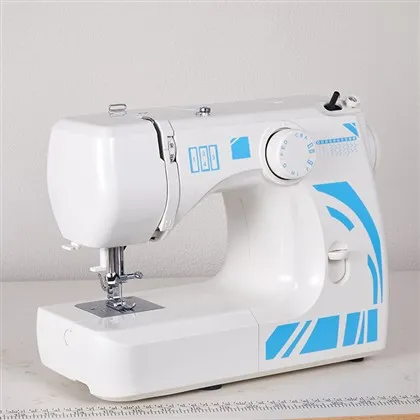

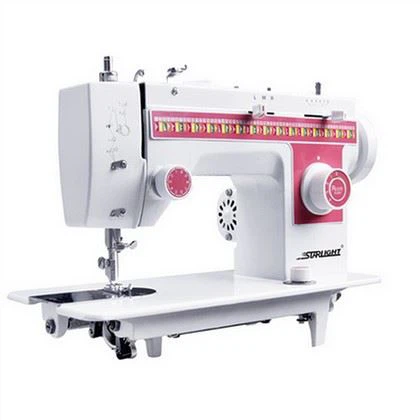

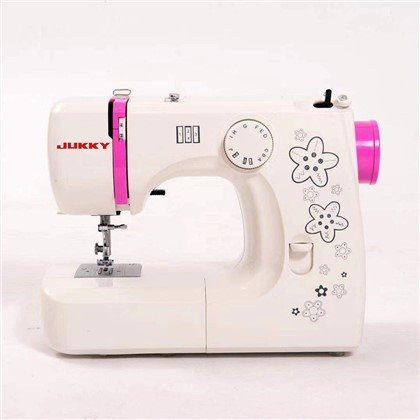


Why Choose Us
Advanced equipment
Equipment based on the latest technological developments has higher efficiency, better performance and stronger reliability.
Rich experience
Dedicated to strict quality control and attentive customer service, our experienced staff is always available to discuss your requirements and ensure complete customer satisfaction.
24H online service
We try and respond to all concerns within 24 hours and our teams are always at your disposal in case of any emergencies.
Quality control
We have professional personnel to monitor the production process, inspect the products and ensure that the final product meets the required quality level standards, guidelines and specifications.
What Are The Different Functions That a Multifunctional Sewing Machine Can Perform?
Versatile sewing machines can perform a variety of functions, including: straight stitching, zigzag stitching, buttonholing, overlocking or hemming, blindstitching, quilting, twin-needle stitching, pleating, shirring, piping, and monogramming.

Types of Multifunction Sewing Machine
Electronic sewing machines
These are more advanced sewing machines with computerization included in their structures. They're much more sophisticated than their mechanical counterparts, and they do a lot more than just basic stitching.
Serger sewing machines
These sewing machines are designed specifically to make overlock and decorative stitching. They are meant for professional use and come with a range of features designed for speed, precision, and accuracy.
Quilting sewing machines
These sewing machines are specialized in quilting stitching and have several advanced features to help you stitch effortlessly. They usually come with large bobbins, advanced buttons, and speed control features.
Multifunctional mini sewing machine
The multifunctiona mini sewing machine is a compact, portable sewing machine that offers a range of functions and features to handle a variety of sewing tasks. It's suitable for small sewing projects and repairs.

Is it Easy to Switch Between Different Functions on a Multifunctional Sewing Machine?
Some multifunction sewing machines have intuitive controls and buttons that make switching between functions quick and easy, while others may require more manual adjustments and expertise to switch between functions. Additionally, if the user is familiar with the machine and its functions, switching between functions will be relatively easy and straightforward compared to a novice sewing or using a specific machine.
Material of Multifunction Sewing Machine
The body of a multifunctional sewing machine is made of high-quality metal or plastic. Internal components are often made of metal, such as gears, cams, and bearings to increase the durability and longevity of the machine. The sewing surface is usually a metal plate with a plastic or rubber handle that holds the fabric in place during sewing. Buttons and knobs are usually made of plastic or metal. The motor of a sewing machine is usually an electric motor that runs on copper wire and magnetism.

Application of Multifunction Sewing Machine
Garment Making
Multifunction sewing machines are widely used for making clothes such as dresses, blouses, pants, skirts, and shirts. They can sew different types of fabrics such as cotton, denim, silk, and sequin fabrics, etc.
Home Decor
These machines can be used to manufacture curtains, pillowcases, bedspreads, tablecloths and other home décor items. They can also be used in interior decoration projects such as cushion covers and chair covers.
Embroidery
Many multipurpose sewing machines come with an embroidery feature that enables users to embroider designs onto fabric. They can create intricate designs on a variety of fabrics and can be used to add extra embellishments to clothing, bags and accessories.
Quilting
Many multifunction sewing machines come with a quilting function that allows the user to sew layers of fabric together to create a quilt. They can also include a quilting foot that helps the user maintain consistent spacing between stitches.
What Features Should i Look For When Choosing a Multifunctional Sewing Machine?
For use on machines that offer a variety of stitch types, including straight, zigzag, buttonhole and decorative stitches. Consider machines with automatic functions such as threading, tension control, and cutting. These features save time and make sewing easier. Make sure the machine has adjustable speed settings so you can work at the speed that works best for your project. Check that the machine's construction is sturdy, can handle heavy fabrics, and is used regularly. The machine should have a simple and easy-to-use bobbin winding system.
What Materials Can Be Sewn on a Multifunctional Sewing Machine?
A multifunctional sewing machine can sew on various fabrics such as cotton, wool, silk, denim, leather, vinyl, and more. Additionally, it can handle multiple layers of fabric, making it suitable for quilting and other heavy-duty sewing projects. Some models may also have specialty feet and attachments for specific sewing tasks such as hemming, button sewing, and embroidery.
The Difference Between Multifunctional Sewing Machine And Ordinary Sewing Machine
Multifunctional sewing machines can perform many different tasks besides sewing. It can incorporate embroidery, quilting, decorative stitching, buttonholes, overlocking and other functions. Regular sewing machines are mainly used for basic sewing and hemming tasks. Multifunctional sewing machines come with additional accessories, tools, and settings. A regular sewing machine can handle simple sewing tasks such as mending clothes, sewing curtains, and designing a few garments, but it may not have the power, precision, and versatility to handle complex projects with ease.
The Process of Using Multifunctional Sewing Machine
1
Threading the machine
The first step in using a multifunction sewing machine is to thread the machine. This involves passing the thread through various guides and components of the machine, including the needle, tension discs, and bobbin.
2
Selecting the stitch
Once the machine is threaded, the next step is to select the stitch that is needed for the particular sewing project. Multifunction sewing machines typically offer a variety of stitch options, including straight stitch, zigzag stitch, decorative stitches, and more.
3
Adjusting the stitch length and width
Depending on the desired outcome, the stitch length and width may need to be adjusted. This can typically be done through controls on the machine.
4
Sewing the fabric
After the stitch and settings are selected, the fabric can be fed through the machine and the stitching process can begin. The user will need to guide the fabric and ensure that the stitch is straight and even.
5
Finishing the seam
Once the stitching is complete, the user will need to finish the seam by trimming any excess fabric or thread, and possibly overlocking or hemming the edges.
6
Changing the presser foot
For different types of fabrics and sewing techniques, the presser foot may need to be changed. This involves removing the current presser foot and attaching a new one that is better suited for the current project.
7
Maintain the machine
It is important to properly maintain your multifunctional sewing machine through regular cleaning, oiling and other maintenance tasks. This will help ensure smooth operation of the machine and prevent breakdowns.
Things To Note When Using Multifunction Sewing Machine
1
Check the machine before using
Before plugging in the machine, check all the components of the sewing machine for any signs of damage, dust, or debris. Ensure that the power cord is not damaged or frayed.
2
Use the appropriate needle
The sewing machine usually comes with needles for different fabrics. Ensure you use the right needle for the fabric you are sewing. Using the wrong needle could damage the fabric or the needle itself.
3
Thread the machine properly
The thread should be threaded correctly through the machine, the needle, and the bobbin case. A poorly threaded machine can cause thread breakage, uneven stitching, and damage to the fabric.
4
Use the right thread tension
The thread tension should be set according to the fabric and the project being sewn. A too tight or too loose thread tension can cause uneven stitching, fabric puckering, or even break the needle.
5
Do not force the fabric through the machine
The sewing machine should be allowed to feed the fabric through itself. Do not pull or push the fabric through the machine. This could cause damage to the needle or the fabric.
6
Keep the machine clean and oiled
Regularly cleaning the machine prevents the buildup of lint and dust, which can affect the machine's performance. Regularly oiling the machine and keeping the dust and thread lint free will prevent it from breaking down or causing damage to your fabric.
Working Principle of Multifunction Sewing Machine
The machine is powered by an electric motor that drives the needle up and down at a variable speed. The speed and tension of the needle can be adjusted according to the type of fabric being used and the desired stitching style. The machine also has a variety of stitching options such as straight stitch, zigzag stitch, lockstitch, and buttonhole stitch. These options can be selected using a dial or control panel on the machine. In addition to basic stitching functions, multifunction sewing machines are also equipped with advanced features such as embroidery and quilting functions. These features involve the use of additional attachments, such as an embroidery hoop or a quilting foot, which guide the fabric through the machine in a specific pattern.
Can a Multifunctional Sewing Machine Be Used For Industrial Purposes?
A multifunctional sewing machine may have some industrial capabilities, but it is not designed for heavy-duty industrial use. Industrial sewing machines are built to handle heavy fabrics, high-speed sewing, and prolonged use. Therefore, it is recommended to use industrial sewing machines for commercial or industrial purposes. Multifunctional sewing machines are ideal for home use, light fabrics, and smaller projects.

What Types of Fabrics Can a Multifunction Sewing Machine Handle?
A multifunction sewing machine can handle a variety of fabrics including cotton, wool, silk, denim, leather, stretchy fabrics, and synthetic materials like nylon and polyester. The machine should have different types of needles, presser feet, and stitch options to accommodate these different fabrics. Some machines may also have features like adjustable thread tension and speed control to ensure smooth stitching and prevent fabric damage.
What Are The Different Stitch Options Available On a Multifunction Sewing Machine?
Some common stitch options include straight stitches, zigzag stitches, buttonhole stitches, stretch stitches, decorative stitches, and quilting stitches. Straight stitches are basic stitches used for sewing seams, while zigzag stitches are used for finishing edges and creating decorative effects. Buttonhole stitches are used for creating buttonholes, while stretch stitches are used for sewing stretchy fabrics. Decorative stitches are used for adding embellishments to projects, and quilting stitches are used for quilting projects. Some multifunction sewing machines also have embroidery stitches that can be used for embroidering designs onto fabric. The different stitch options available on a multifunction sewing machine allow for a wide range of sewing projects to be completed with ease and versatility.
What Are The Different Types of Needles That Can Be Used With a Multifunction Sewing Machine?
There are several types of needles that can be used with a multifunction sewing machine, each designed for specific sewing tasks and fabric types. Universal needles are the most commonly used type and are suitable for a range of fabrics including knits, wovens, and synthetic materials. Leather needles have a sharp point and are used for leather and other heavy fabrics, while denim needles are designed for sewing through denim and other tough materials. Quilting needles have a tapered point and are used for piecing and quilting dense fabrics, while embroidery needles have a large eye for use with embroidery threads. Other types of needles include ball-point needles for knit fabrics, twin needles for decorative stitching, and metallic needles for metallic or synthetic fabrics.
Our Factory
With an area of more than 30,000 Square meters, 300 staffs, our factory mainly focuses on developing sewing machines. There are over 20 staff in the R&D department, providing technical support for the production as well as developing new products for our customers.

FAQ
We're well-known as one of the best mini sewing machine manufacturers and suppliers in China. If you're going to buy cheap mini sewing machine in stock here from online store, welcome to get more information from our factory. For price consultation, contact us.
