

What is Industrial Sewing Machine
An industrial sewing machine is a heavy-duty sewing machine designed primarily for commercial or industrial use. It is used to sew heavier fabrics and can handle larger volumes of materials. These machines are made of high quality and durable materials that ensure efficient and precise stitching in a fast production setting. They also come with a wide variety of specialized features and attachments that allow for greater speed, efficiency, and precision in various sewing applications.
Advantages of Industrial Sewing Machine
Good Quality of Production
Industrial sewing machines are designed for heavy-duty use and offer superior stitch quality. Their robust construction and specialized mechanisms ensure consistent and precise stitching, even on thick or challenging fabrics.
High Efficiency
Industrial machines are engineered to handle heavy fabrics and demanding sewing tasks. They can effortlessly sew through layers of fabric, leather, or denim, maintaining high efficiency throughout. Their powerful motors and specialized features ensure smooth and consistent stitching, eliminating frustrations and bottlenecks.
Precision
Industrial sewing machines are designed to sew with precision and accuracy. They have specialized features such as automatic thread cutters, needle positioners, and speed regulators, which allow for more precise sewing.
Increase production
These machines are built for high-speed stitching, allowing you to complete projects in a fraction of the time. With their efficiency and automation features, such as automatic thread cutting and programmable settings, you can achieve bulk production with minimum effort and resource utilization.
-

Industrial Direct Drive Overlock Sewing Machine
1.Suitable for overlocking and overedging workpiece of light and medium-thinckness materials.2.Low sewing tension,neat and beautiful stitches even running at high speed.3.Auto lubricaing equipment Add to Inquiry -
Industrial Lockstitch Sewing Machine with Auto Trimmer
direct-drive, high-speed, one-needle, Lockstitch Machine with Auto Trimmer, Applicable to sewing all kinds of shirts, suits or similar clothes,and fabrics. Add to Inquiry -
Industrial Lockstitch direct drive Sewing Machine
This sewing machine is well-designed and easy to operate. Featureing different stitch patterns. This lightweight sewing machine Industrial Lockstitch Computerized Sewing MachineFH9801 Add to Inquiry -
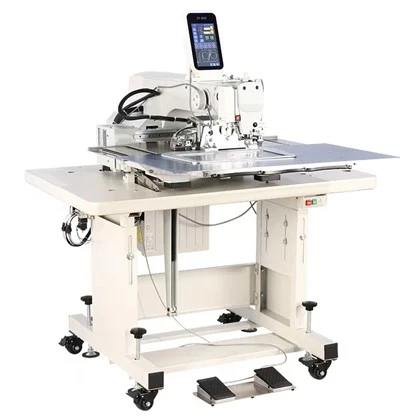
Industrial Computer Pattern Stitching Machine
Technical Features 1. High-precision Servo Control System 2. Intelligent Pattern Editing & Storage 3. High-speed & Stable Sewing Performance 4. Adaptive Presser Foot System 5. Full Set of Add to Inquiry -
Industrial Special High Speed Bartacking Sewing Machine
Technology Characteristics 1. High‑speed Servo Direct‑drive System 2.Precise Stitch Control 3.Rich Built‑in Pattern Library & Custom Programming 4.Wide Fabric Compatibility 5.Energy‑saving & Add to Inquiry -
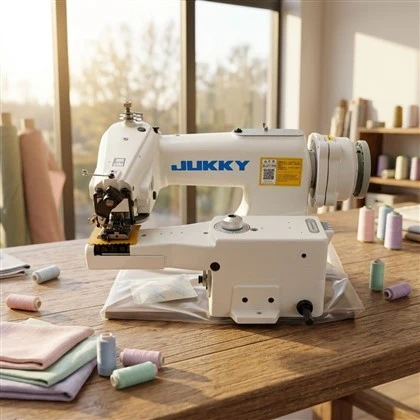
Industrial Special Blind Stitch Machine
Characteristic: Single bended needle (cambered set), single thread chain stitch. . The single thread chain stitch hides itself so that we can not see it from the outside, which makes the clothes much Add to Inquiry -
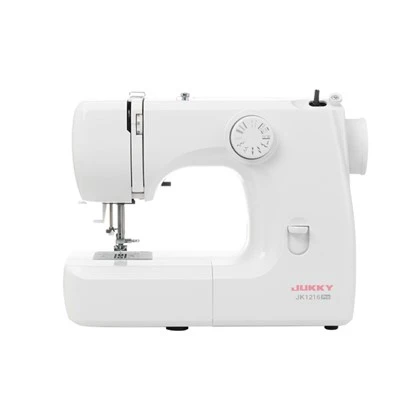
Mini Household Sewing Machine For Clothes
Technology Characteristics 1. Automatic Threading System 2. Multi-Functional Stitch 3. Safety & Maintenance Advantages 4. Stitch length & width adjustment 1,How can I get the sample to check Add to Inquiry -
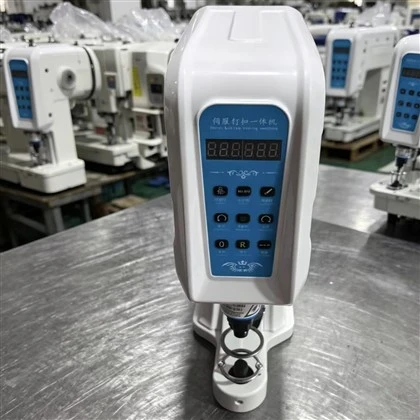
Industrial Automatic Snap Attaching Machine
Technical Feature 1. Servo Power System 2. Intelligent Electronic Control Panel 3. Dual Safety Protection 4. Wide Compatibility 5. Maintenance & Operation Advantages 1,How can I get the sample to Add to Inquiry -
Industrial Special Three Synchronous Integrated Sewing Ma...
Triple-Needle Feed-off-the-arm Chain stitch Sewing Machine. 1)Use large vertical big hook to drawing the outline, slide bar pick the line.. 2)Bearing supporting the axles, drived by synchronous cog Add to Inquiry -
Computerized Pattern Sewing Machine
Technology Characteristics 1. Intelligent Electronic Control System 2. High-rigidity Mechanical Structure 3. Forward and reverse sewing 1,How can I get the sample to check your quality? After price Add to Inquiry -
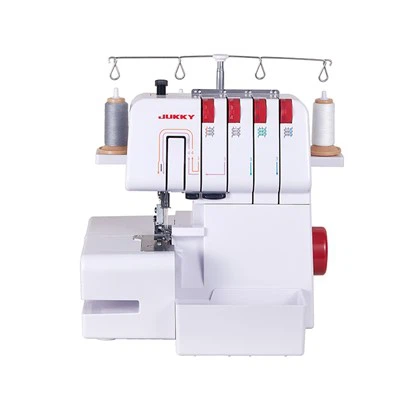
Mini Home Use Overlock Sewing Machine
Technical Characteristics 1. Suitable for edge sealing, hemming, sewing and elastic fabric processing 2. Low noise and low vibration design 3. Lightweight and compact structure 1,How can I get the Add to Inquiry -
Industrial Lockstitch Sewing Machines For Clothes
Technical Features 1. High‑speed Operation 2. Precise Stitch Control 3. Direct‑drive Motor System 4. Wide Material Compatibility 5. Low‑maintenance Design 1.Why choose us We specialize in rebuilt Add to Inquiry




Why Choose Us
Advanced equipment
Equipment based on the latest technological developments has higher efficiency, better performance and stronger reliability.
Rich experience
Dedicated to strict quality control and attentive customer service, our experienced staff is always available to discuss your requirements and ensure complete customer satisfaction.
24H online service
We try and respond to all concerns within 24 hours and our teams are always at your disposal in case of any emergencies.
Quality control
We have professional personnel to monitor the production process, inspect the products and ensure that the final product meets the required quality level standards, guidelines and specifications.

What to Look For in a Good Industrial Sewing Machine
A good industrial sewing machine should have a heavy-duty metal construction that can withstand heavy use and frequent work environments. Industrial sewing machines are known for their high speed and productivity. Industrial machines should have high sewing speeds to ensure efficiency and effectiveness. Industrial sewing machines are designed to sew different types of fabrics, which means they should have diverse stitching capabilities. Sewing heavy materials like leather or canvas requires a powerful motor to get the job done. A good industrial sewing machine should be equipped with a powerful motor to provide consistent high-performance results.
Types of Industrial Sewing Machine
Interlock machines
Interlock stitches vary greatly depending on the number of stitches, whether there is a cover seam, stitch length, etc. Interlocking seams are flat, highly elastic, durable and reliable. Covering stitches are widely used for hemming and hemming of knitted garments, connecting pleats, elastic bands and decorative stitches.
Flatseamer
Flatseamers are 4 needles, 6 threads interlock sewing machines with fabric cutter and produces extremely flat seaming. Flat seaming makes knitted apparels comfortable to wear. Flat seaming is originally employed for underwear and recently, has become more popular for sportswear.
Double chain stitch machines
Double chain stitch machines are sewing machines that produce widely stretchable double chain stitches. A double chain stitch looks like a lock stitch on the surface and a chain stitch on the back. Double chain stitch is widely used in knitted clothing products.
Blind stitch machine
Blind stitch machines are sewing machines producing stitches invisible or nearly invisible, widely used for hemming up skirts and trousers. Blind stitches can easily unravel because they are single chain stitches, but a blind stitch machine can trim the thread while tightening the stitches to reduce the process and time, thereby increasing productivity.
Industrial Sewing Machine Features
Threading systems and needles that make it easy to change out colors quickly and easily. Adjustable stitch length and width controls so the user can adjust the machine according to the specific project needs. Some industrial sewing machines feature automatic functions such as automatic thread trimming, needle positioning, and tension control, which improve productivity and efficiency. Industrial sewing machines are built to withstand heavy use and are made with high-quality, durable materials to ensure longevity.
The Basic Difference Between a Domestic and Industrial Sewing Machine
An industrial sewing machine is a sewing machine that is designed for heavy-duty use. It is built to sew through thick materials, such as multiple layers of fabric, leather, and canvas. Industrial sewing machines are also built to sew at high speeds, making them ideal for production work. A domestic sewing machine, on the other hand, is a sewing machine that is designed for light to medium-duty use. It can sew through multiple layers of fabric but is not built to sew through thick materials like leather and canvas. Domestic sewing machines typically have a lower sewing speed than industrial machines.


Material of Industrial Sewing Machine
Most industrial sewing machines are made from strong and durable materials such as aluminum, cast iron, and steel. These materials were chosen for their ability to withstand the long and heavy use that industrial sewing machines are typically subjected to, as well as their ability to handle high speeds and heavy fabrics. Some industrial sewing machines may also be made of plastic or other synthetic materials, but these are usually used for non-critical parts of the machine, such as the casing or cover.
Application of Industrial Sewing Machine
Clothing production
Industrial sewing machines are commonly used in the production of clothing, including shirts, pants, dresses, and jackets. These machines can handle a wide variety of fabrics, including cotton, wool, silk, and synthetic fabrics.
Leather goods manufacturing
Industrial sewing machines are essential in the production of leather goods, such as bags, wallets, and belts. These machines have the capability to sew through multiple layers of leather and thick materials, providing a high-quality finish.
Upholstery
Industrial sewing machines are used to sew upholstery fabrics to create furniture, such as sofas, chairs, and cushions. They are also used in the automotive industry to make car seats, seat belts, and other components.
Industrial safety and medical equipment
Industrial sewing machines are used to manufacture safety equipment, such as harnesses, reflective vests, and helmets. They are also used to create medical equipment, such as surgical gowns, face masks, and bandages.
What is The Difference in Speed Between Industrial Sewing Machines And Household Sewing Machines?
The sewing speed is one of the most important factors to consider when choosing between an industrial and domestic machine. Industrial sewing machines are built to sew at high speeds for their intended purpose, making them ideal for repetitive tasks or production work. Domestic sewing machines typically have a lower sewing speed, which is more suitable for light to medium-duty use.
Components of Industrial Sewing Machine
An industrial sewing machine consists of the following components: Sewing head, arm, worktable, stitch selection, foot pedal, bobbin winder, bobbin box, needle plate, etc.
The Difference Between Industrial Sewing Machines And Other Sewing Machines
Industrial sewing machines are designed for high-volume production and heavy-duty sewing tasks, while other sewing machines are designed for home use and lighter materials. Industrial sewing machines have stronger motors, higher speeds, larger needles and feed dogs, and thicker presser feet to handle thicker fabrics and multiple layers of material. They are also built to withstand constant and prolonged use, making them more durable than other sewing machines.
How to Maintain Industrial Sewing Machine
1
Oiled regularly
An industrial sewing machine has many internal moving parts and gears that need to be oiled regularly. Failure to oil your machine will result in noisy operation, parts breakdown and can be a safety hazard to the operator.
2
Replacing your needle
Replacing your needle is a simple and effective way to prevent sewing issues. Using a worn or bent needle can damage sewing machine components and be safety hazard to the operator.
3
Regularly clean
Give the outside of your machine a wipe to remove any dust or lint buildup. Most importantly, clean the bobbin and hook area by opening the needle plate and using a lint brush or compressed air to remove any lint, dust or pieces of thread from this area. Also pay attention to the tension discs and thread guides around the machine and remove and thread or dust buildup that may have occurred over time.
4
Check the tension and cover the machine
Check the thread tension on the machine. Improper tension can cause the thread to break or cause other problems with the machine. When the machine is not in use, cover it with a protective cover. This will help prevent dust and dirt from entering the machine.
How to Replace The Needle of An Industrial Sewing Machine
To replace your needle, use a screwdriver to loosen the needle retaining screw. Remove the needle from the machine, then insert the new needle, making sure it is inserted all the way up to the top of the needle bar. For most machines, the needle must be inserted with the long groove facing to the left and the needle scarf facing to the right. While holding the needle in place, tighten the needle retaining screw.


Working Principle of Industrial Sewing Machine
The basic principle of an industrial sewing machine is the use of two threads, an upper thread, and a lower thread. The upper thread is passed through a needle, which moves up and down rapidly, making a stitch through the fabric. The lower thread is usually wound onto a bobbin and is situated under the fabric. When the needle pierces the fabric, it pulls the upper thread through the fabric, where it loops around the lower thread, creating a lock stitch. The timing between the needle and the bobbin in an industrial sewing machine is critical for the proper formation of stitches. The needle must be in the correct position as the bobbin rotates to allow for consistent stitch formation.
Reasons Why Industrial Sewing Machines Get Stuck
1
Lack of tension on the upper thread
However certain you are that the problem with the machine is most likely due to a huge tangled mess of thread in the bobbin underneath the fabric, the most common reason for the jamming is usually the lack of sufficient tension in the upper thread. This simple problem will case the machine to get jammed due to the insufficient tension necessary for pulling up the thread through the fabric you are sewing.
2
Clogged
This can occur due to dust, lint or other debris getting stuck inside the machine. If this type of jamming occurs, turn the stitching machine off, go ahead and un-thread it and perform a thorough cleaning of the entire machine, especially its working mechanisms. Use a small brush or blow out any stuck lint, dust or others.
3
The needle is deformed or broken
Often, your sewing machine will suddenly stop working due to a bent or broken needle which stops the thread from going through the fabric. Stop work and carefully inspect your needle for any deformities or breakage, and if you see any – replace it with a new one.
4
The feed dogs are not functioning properly
Another relatively common reason for the malfunctioning of sewing machines is when the small teeth located underneath the needle and presser foot which are responsible for pulling the fabric through during the sewing process, also known as feed dogs, are not working properly. The reason for the problem could be lint, dust and other debris getting stuck in their mechanism. Stop work, lift the presser foot and thoroughly clean the fee dogs from any debris.
What Are The Different Types of Stitching Patterns That Can Be Produced On An Industrial Sewing Machine?
There are many different types of stitching patterns that can be produced on an industrial sewing machine depending on the type of machine and the type of stitching required for the project. Some common stitching patterns include straight stitch, zigzag stitch, buttonhole stitch, blind hem stitch, overlock stitch, chain stitch, and cover stitch. Each stitching pattern serves a different purpose and creates a different finish on the fabric, such as strengthening seams, creating a decorative edge, or sewing stretchy fabrics. Industrial sewing machines are designed to handle many different types of materials and can produce a variety of stitching patterns that can be adjusted for width, length, tension, and other factors, making them an essential tool for a range of manufacturing and production industries.
What is The Difference Between a Single-Needle And a Multi-Needle Industrial Sewing Machine?
A single-needle industrial sewing machine has only one needle and is designed for making straight stitches. It is ideal for sewing lightweight fabrics and creating fine detail work, such as delicate embroidery. A multi-needle industrial sewing machine has several needles that allow for multiple threads to be used at once. This is particularly useful for creating diverse designs and patterns, as well as for sewing thicker, heavier fabrics. Multi-needle machines are also faster than single-needle machines and can produce clean, precise seams. The choice between a single-needle and multi-needle industrial sewing machine will depend on the specific needs of the project and the fabric being used.
How Do You Adjust The Tension Of An Industrial Sewing Machine?
Locate the tension dial or knob on the machine. Turn the dial or knob to decrease or increase the tension accordingly. Start by adjusting the upper thread tension through the upper tension dial or knob, or the bobbin tension through the bobbin case or bobbin tension spring. Test the tension of the machine by sewing a few stitches on a scrap of fabric. The stitches should form evenly with no loops or puckers. Adjust the tension as needed until the stitches form evenly. It is important to adjust the tension based on the type of fabric and thread being used, as different fabrics and threads may require different tensions. Consistent adjustment and testing will help achieve the desired stitch quality.
Our Factory
With an area of more than 30,000 Square meters, 300 staffs, our factory mainly focuses on developing sewing machines. There are over 20 staff in the R&D department, providing technical support for the production as well as developing new products for our customers.

FAQ
We're well-known as one of the best industrial sewing machine manufacturers and suppliers in China. If you're going to buy cheap industrial sewing machine in stock here from online store, welcome to get more information from our factory. For price consultation, contact us.
